The opinions expressed by columnists are their own and do not necessarily represent the views of Crescent City Times.com
By Jeff McCaddon – December 12, 2025
Medical emergencies happen quickly and unexpectedly. Accidents in the home, on the road, in the
workplace and during leisure activities can occur at any time. If the response time is prompt
enough for care to be rendered, then the outcome is good. If the response is too late, then the
result can be tragic. Cardiac and airway emergencies can lead to a swift death if those at the scene
do not render aid. Likewise, excessive bleeding can lead to death in a matter of minutes.
Is it wise to rely entirely on 911 and emergency medical services to care for you and your family
during a crisis?
Under normal conditions, most people do not have any alternatives available. They might have
taken a first aid class and have a store-bought first aid kit on hand. However, these classes and
kits may not be enough. Without adequate preparation, losing a loved one before help arrives
could be the result. This is especially true for those living in remote areas where emergency
response times are long.
Abnormal conditions can compound your plight during a medical emergency. A local or
generalized mass casualty event because of an earthquake, tsunami, fire, flood or other natural
disaster could lengthen response times to days or even weeks. This is especially true if roads are
affected, or medical services are overwhelmed. Man-made disasters like wars, civil wars, public
unrest or terrorist attacks can also compound your situation. Denial of service attacks on phone or
cellular systems could eliminate your ability to make a 911 call entirely.
We learned during the COVID-19 pandemic how vulnerable our supply lines are to unexpected
medical emergencies. Foreign manufacturers supplied most of our medical supplies, personal
protective equipment, and pharmaceutical medications. This led to the cost of medical gloves and
N95 masks to skyrocket as panicked people paid any amount asked for meager supplies on hand.
The situation today is little better. Medical tubing for oxygen and blood are still very expensive.
Although the USA now manufactures pharmaceutical medications, it still sources the precursor
chemicals outside of the United States.
We have been conditioned to rely on a system that may ultimately fail us. Ultimately, it is our own
responsibility to make adequate preparations to care for ourselves and our families. The following
recommendations will provide you and your loved ones with the ability to save lives, or not. In
the end, life and death decisions are in the realm of God. However, we can be instruments of God
if we choose to do so.
Emergency Medical Preparations
Best Book: The Survival Medicine Handbook: The Essential Guide for When Help is NOT on the
Way 4th Edition. Best for extended emergency preparation. Contains both conventional
pharmaceutical and natural medicine advice. Reasonably priced and thorough.
2nd Choice: Emergency Care and Transportation of the Sick and Injured. This is the textbook for
professional EMT Level 1 candidates. The bible for emergency medical technicians regarding
ambulance or fire rescue medical assistance. Over a thousand pages of information geared toward
medical professionals with lots of expensive high-technology equipment and pharmaceutical
medications. This book is extremely expensive (over $100), thick and heavy.
Recommended Medical Supplies:
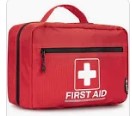
An advanced emergency medical bag will save you from improvising during a life and death
emergency. “First Aid Kits” commonly available in stores are fine for minor issues, but are
insufficient for a catastrophic injury. Band-aids and a roll of gauze will be of little use for a sliced
artery or traumatic amputation. You will want to have emergency medical bags available at home,
on the road, and at your worksite. Your medical bag is useless if it is not handy.
The least expensive way to purchase your medical gear is in bulk. Stock all of your emergency
medical bags at once to save substantially on overall costs.
If you want to be ready to assist at a traffic accident or mass casualty event, stock up on a bunch
of military field dressings (compress bandages). These are ready-made and quick to apply
bandages for large wounds common to a battlefield or any catastrophic event. Also, have lots of
roller gauze and absorbent pads handy to pack gaping wounds. Hemostats can clamp gushing
arteries; however, you might need to fish for the artery as it retracts into muscle when severed.
Note that a properly applied tourniquet hurts more than the wound. Amputation will most often
result if a vascular surgeon is not available to repair the veins and arteries.
You can find fully stocked EMT crash bags online. These are the quickest ways to start and will
give you and your family the basics. Unfortunately, not all the equipment from many
manufacturers are top of the line.
To meet the largest variety of emergency events, you will need the following equipment along
with a large bag with lots of easily accessed compartments to organize your gear:
Personal Protective Gear:
Protective Gloves / N95 Protective Masks
Cardiovascular:
CPR Mask – Infant, Child, Adult / Bag Valve Mask (BVM)
Airway:
CPR Mask- Infant, Child, Adult / Bag Valve Mask (BVM) /Oropharyngeal airway kit /
Nasopharyngeal airway kit / Pneumothorax decompression needle / Vented chest seals
Bleeding:
Trauma Shears & Bandage Scissors / Hemostats / Roller Gauze (Stretch & Cling) / Absorbent
Pads / Adhesive medical Tape/ Field Dressings- Either Swiss or Israeli / Tourniquets (CAT Gen 7)
/ Vented chest seals / Emergency wound closure strips / Assortment of self-adhesive bandages
Cervical Stabilization:
Extrication Collars / Adult and child sized
Shock:
Emergency Blankets / 10 liter 95% oxygen canisters
Diagnostic:
Aneroid Sphygmomanometer (Blood Pressure Cuff) / Stethoscope- Sprague-Rappaport / Pulse
Oximeter / Penlight & Rechargeable Headlight / Ophthalmoscope or otoscope with light / Tongue
Depressors, non-contact Thermometer
Poison Control:
Activated Charcoal / Snakebite & Sting kit
Sprains, Dislocations, Broken Bones:
Triangular Bandages / Tongue Depressors / Splints / Roller SAM Splints/ Aluminum Splints /
Roller Elastic Bandages & Clips / Cold & Heat packs
Burns:
Assortment of Burn Dressings for severe burns / Normal Saline Wash / Lidocaine or benzocaine
for pain
Eye Injuries:
First Aid Eye Kit (Eye wash, oval pads, adhesive tape)
Emergency Dental:
Emergency Dental Kit (Lost Fillings & Caps) / Ambesol or clove oil for pain
Diabetic Emergencies:
Glucose
Advanced Medical Gear: These are not necessarily covered by Good Samaritan legal protections
Field Surgical Kit
Assortment of Sutures
Medical Staple kits
Medical Oxygen- Need Medical Prescription
Leg and arm traction
IV drip- needs medical prescription
Road Emergency Extrication & Fire Gear:
Fire Extinguishers / Fire Blankets / Extrication Gloves (Cut and Fireproof) / Fire Resistant
Balaclava / Respirator and fireproof goggles / Nomex or Welding Jacket / Reflective high
visibility vest / Window Punch / Seat-belt Cutter / Multi-function demolition tool
Recommended Training::
YouTube has several very good free courses geared toward EMT candidates. Attend actual EMT
classes if possible.
Sources of emergency antibiotics online:
The following companies provide cases of prescription medications for aid workers, missionaries,
explorers, and visitors to regions where medical facilities and medications are not readily
available. Reasonably priced life-saving medications. I have done business with the following two
sources. Vacuum pack the medications with oxygen and moisture absorbents, and store them at
room temperature in a dry place. DO NOT REFRIGERATE.
- Jase Medical
- Contingency Medical